
What are we moving towards, and why does it matter to us?
At NoCrastination, this question sits close to the work we do every day. Our community brings together people in the middle of creating, achieving, and becoming. We are building businesses, developing skills, exploring new directions, and trying to turn ideas into something real.
Much of that work happens before there is anything polished to share. We are learning as we go, making decisions with incomplete information, and finding the energy to try again.
For people living in this space, ambition gives life direction. It can also make the present feel like a waiting room.
We will relax when the project is finished. We will feel proud when someone recognises our effort. We will enjoy life once the next problem is solved.
There is always another condition available.
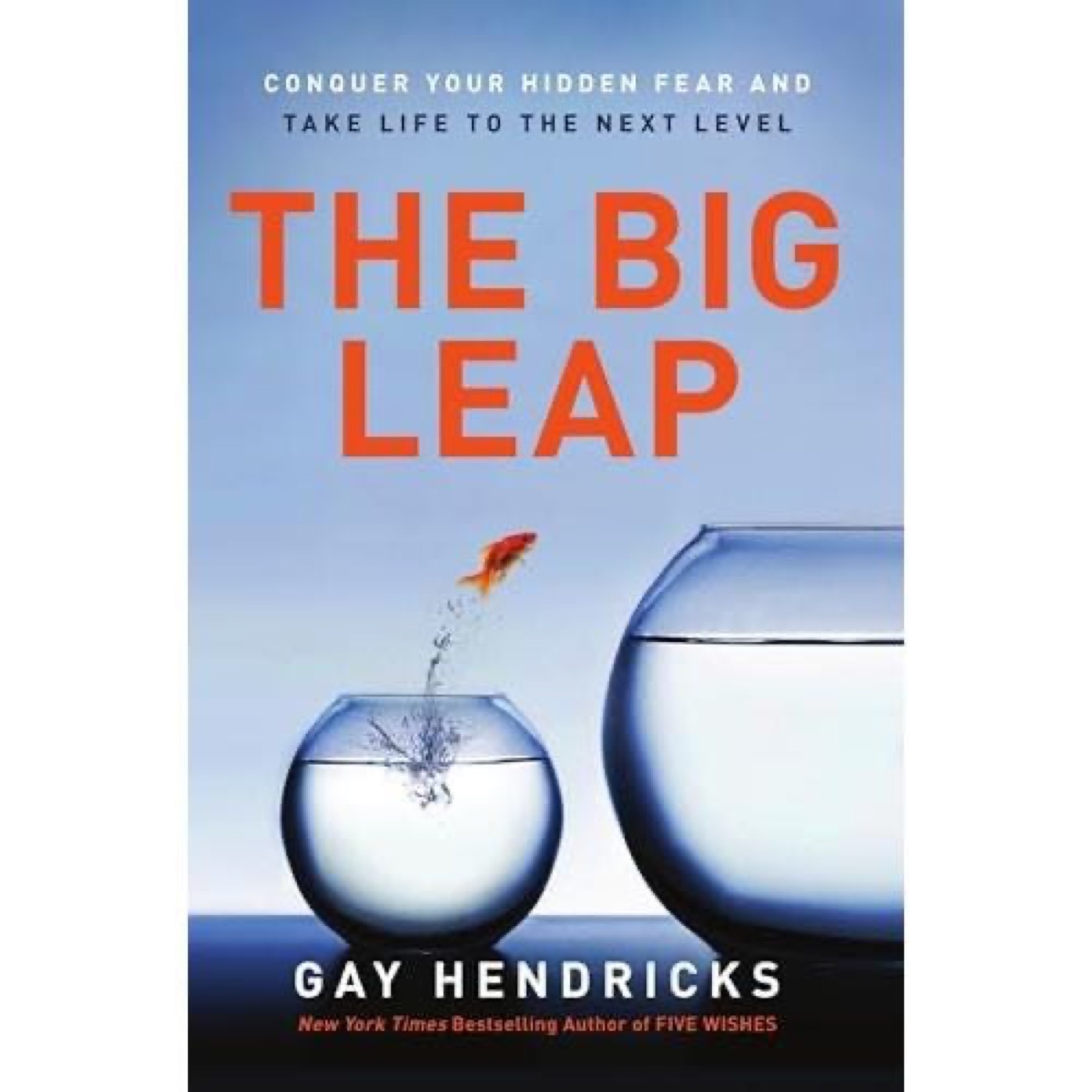
Our discussion of The Big Leap by Gay Hendricks brought us back to a question that matters while we are still in the making: Can we experience wellbeing alongside the work of becoming?
When progress starts to feel unfamiliar
After a promising step, do we allow ourselves to enjoy it? Do we immediately focus on everything that could go wrong? Do we minimise our achievement because being visible feels uncomfortable?
These questions do not explain every setback. Projects face real obstacles, and uncertainty is part of creating something. But they invite us to notice our own responses alongside those external challenges.
Sometimes the next step asks us to become more comfortable with receiving recognition, feeling capable, or letting our work be seen.
Wellbeing while the work is unfinished
For an ambitious person, there is nearly always a reason to keep going.
Another proposal to send. Another skill to learn. Another part of the project that could be better.
If feeling good depends on reaching the end of that list, we give ourselves very little opportunity to enjoy our lives.
Our discussion explored the possibility of allowing wellbeing before everything is resolved. That might mean enjoying a focused hour of work, appreciating a conversation, or feeling satisfied that we kept a small commitment.
Simple practices came into focus: noticing pleasant sensations in the body, pausing to breathe, and allowing feelings to be present without immediately judging them.
For people accustomed to moving quickly from one task to another, even a brief pause can reveal how often we rush past a good moment.
Can we let a good moment be enough while it is happening?
The project may still need work tomorrow. We can acknowledge what went well today.
Making room for the work that matters
The book’s distinction between the “Zone of Excellence” and the “Zone of Genius” felt particularly relevant to us.
In Hendricks’s framework, the Zone of Excellence includes work we do very well. The Zone of Genius points towards work that draws on our distinctive abilities and brings deep engagement.
Being good at something can make it difficult to question whether we want to keep doing it. People rely on us. We know how to deliver. The work may offer security and recognition.
Yet competence and fulfilment do not always grow together.
For those building a business or changing direction, this raises practical questions. Which activities make the best use of our strengths? Which responsibilities consume most of our attention? How much room have we actually made for the work we want to develop?
The answers must fit real circumstances. A small business may not have the money to delegate. A career change may need time and financial preparation.
Our discussion therefore turned towards adjustments we can make now: finding support, exploring tools, simplifying a process, or protecting a regular block of time.
What could we adjust this week to make more room for the work we want to grow into?
Boundaries protect our capacity to create
Every project draws on more than time. It also draws on attention and emotional energy.
An unresolved interaction, a constant stream of messages, or an obligation we have never questioned can follow us into a working session. We may sit down with enough hours available and still struggle to focus.
The conversation connected boundaries with creating breathing room. A useful boundary can begin with recognising what feels heavy and deciding how to respond.
We can ask:
- What is taking more energy than we can reasonably give?
- What is within our control?
- What request or adjustment would make the situation easier to manage?
For people who care about their work and their communities, saying yes can become automatic. Pausing before making another commitment helps us understand whether we have the capacity to keep it.
The promises we make to ourselves deserve attention too. Time set aside for our own project, reflection, or rest is easy to give away because nobody else is waiting for it.
Keeping those commitments helps us trust our own intentions.
The person developing alongside the project
Visible outcomes are useful. A finished piece of work, a new role, or a successful launch gives us something concrete to recognise.
But while we work towards those outcomes, other changes may be taking place.
We may become more willing to ask for help. Better able to communicate a concern. More patient when an attempt fails. More capable of hearing feedback without losing confidence in the whole project.
These changes affect how we create and how we live.
Our discussion returned to the time such development can take. Consistent effort does not always produce an immediate feeling of transformation. Sometimes we recognise the difference only when we look back over several years.
There is no shared timetable for this. We can pay attention to the evidence available in our own lives.
How do we respond to a difficult day now? What can we handle that once overwhelmed us? How quickly can we return to the work after disappointment?
Progress can include responding more gently when an old doubt returns.
For people still in the middle, recognising that progress can help sustain the next attempt.
Reflection makes quiet progress visible
When we judge ourselves only by today’s unfinished tasks, it is easy to feel that we are standing still.
Regular reflection creates a fuller record. It helps us remember the decisions we made, the experiments we tried, and the lessons we would otherwise forget.
A brief weekly review might begin with three questions:
- What did we move forward?
- What did we learn?
- What needs to change next?
Over time, those notes show patterns. We can see where our effort is producing something useful, where we need support, and where an approach has stopped working.
They also preserve the effort behind an outcome. The finished project rarely shows all the uncertain days that helped shape it.
For a community committed to turning ambition into progress, reflection helps us decide what progress should mean at each stage.
Giving ourselves room to change direction
Creating something also changes our understanding of what we want.
We may begin with one idea and discover a more meaningful problem to solve. We may gain a skill and realise we want to use it differently. An experience that felt disappointing may clarify the conditions in which we work and live well.
Changing direction can be difficult when we have invested time, energy, and identity in a particular outcome.
Our conversation made room for valuing what an experience taught us while choosing a different next step.
It also widened the picture of a life worth building. Work matters, and so do movement, friendship, rest, and community. Those parts of life need attention while the project is underway.
A question for those of us still in the making
The Big Leap gave us a framework for examining what we allow ourselves to experience as we grow.
Our discussion brought that framework into the unfinished parts of everyday life: the work we are learning to do, the boundaries we are practising, and the confidence we are gradually building.
We can care deeply about where we are going while paying attention to how we live on the way there.
So the question remains:
What are we moving towards, and why does it matter to us?
And alongside it:
What would help us enjoy and sustain the life we are building, starting now?
Join the NoCrastination Monday Reading Club
We meet online every Monday at 7:00 PM Vienna time, with silent reading from 7:10 to 8:00 PM and discussion from 8:00 PM.
Our November book is The Big Leap by Gay Hendricks. Whether you have read a chapter, finished the book, or would simply like to listen and reflect, you are welcome.
Join our Monday reading WhatsApp group