How AI is changing what one person can build, manage, and achieve.
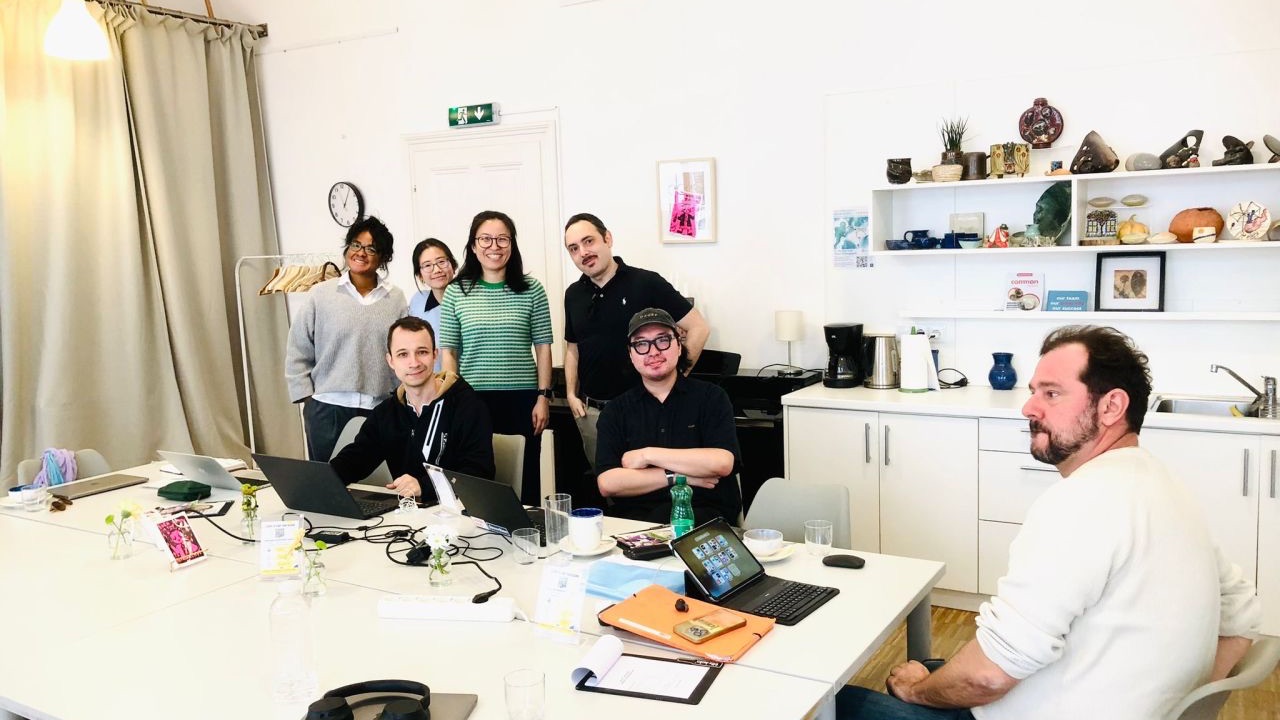
What if you could run your business without having to do everything yourself? I've been thinking about this question a lot and started implementing the solution into my daily workflow, especially after yesterday's hands-on AI Video Editing workshop.
As the founder of NoCrastination, I'm constantly experimenting with new ideas, learning new skills, building a community, organizing events, creating content, and figuring out how to turn all of this into a sustainable business.
And here's something I keep coming back to:
I'm not just building products for solo entrepreneurs. I am my own target customer.
I know what it's like to have more ideas than time, more responsibilities than resources, and a growing list of things that need to get done. Marketing, sales, customer relationships, content creation, research, administration, when you're running a business on your own, you're often doing the work of an entire team.
And that's why I find the next chapter of AI so interesting.
1. The Solo Entrepreneur Is Getting a New Kind of Teammate
For years, building a successful business often meant hiring people, outsourcing tasks, or accepting that there were things you simply couldn't do yourself.
AI is starting to change that equation, one person can now access capabilities that previously required several different specialists.
Imagine having an AI assistant that can help you:
Prepare your priorities before you start the day. Research potential customers and business opportunities. Turn an idea into a marketing campaign. Draft personalized client follow-ups. Organize information and keep projects moving. Help you build tools without starting from scratch.
These aren't all fully autonomous tasks. Some still require your input, review, and approval.
But even reducing the repetitive work could make a meaningful difference.
The question is shifting from "How can I do all this?" to "What can I build with AI helping me?"
2. The Difference Between Using AI and Working with AI
Most of us started using AI by asking questions. We open ChatGPT, type a prompt, get an answer, and move on. That's useful. But I've started to think there's another level.
What if your AI assistant understands what you're working on, what you're trying to achieve, and how you prefer to work? What if you could give it repeatable workflows rather than explaining the same task every single day?
For example, instead of asking AI every morning to help you plan your day, imagine setting up an assistant that prepares a morning briefing based on your projects, priorities, and connected information.
Instead of repeatedly explaining your business before drafting a client email, you could create a workflow that already contains your business context and communication style.
That's where the idea of an AI Co-Founder becomes interesting to me.
Of course, it's a metaphor. AI doesn't share the risks of entrepreneurship, take legal responsibility, or replace someone who truly believes in your vision. But it can become a practical working partner for certain tasks. And I want to learn how to build that kind of relationship with technology.
3. My Biggest Learning: Don't Just Consume AI. Build with It.
Yesterday's workshop reminded me why I believe so much in hands-on learning.
There's a big difference between watching someone demonstrate an impressive AI application and sitting down to work through the process yourself.
When you build, you start asking different questions.
What do I actually need this tool to do? What information does it need? How should the workflow operate? What happens when something goes wrong? And how do I know whether the result is useful?
These questions matter much more to me than memorizing the names of the latest AI tools. As a solo entrepreneur, I don't have time to learn technology just for the sake of learning technology.
I want to learn something I can apply to my business the next morning.
This is also why we're developing practical AI workshops at NoCrastination.
Not simply to teach people what AI is, but to help them explore what they can actually create with it.
4. My 2027 Solo Entrepreneur Playbook
As I prepare for 2027, I'm thinking about five principles I want to apply to my own business.
1. Start with a real business problem.
Don't automate something just because the technology exists. Find the repetitive tasks, missed opportunities, and bottlenecks that are holding you back.
2. Build workflows, not just prompts.
A useful AI workflow should be repeatable and fit into the way you actually work.
3. Keep humans in charge of important decisions.
AI can help research, analyze, prepare, and execute defined tasks. But relationships, judgment, accountability, and business direction still need human leadership.
4. Learn by building small things.
You don't need to automate your entire business in one weekend. Start with one useful assistant, test it, and improve it.
5. Invest in human connections.
As technology makes individual work more powerful, I believe genuine human relationships become even more important. An AI assistant might help you prepare a proposal. But trust is still what makes someone want to work with you. That's why I see AI and community as complementary, not competing ideas.
5. What If You Built Your Own AI Co-Founder?
This brings me to something we're exploring at NoCrastination. Our upcoming hands-on workshop, Your AI Co-Founder: Build Your Own AI Agent, is designed around a practical idea:
What would it take to build an AI assistant that understands your priorities and can help you get started before you've even opened your laptop?
Instead of only talking about AI agents, we'll explore the process of building one. For me, this is part of a bigger experiment in how independent entrepreneurs might work in the future.
Can we build more without immediately building bigger teams? spend less time on repetitive work and more time on our customers, ideas, and relationships? become more independent while staying more connected to other people?
I don't think AI can answer all these questions for us. But I do think it's worth learning how to use it to explore the answers. I'm learning alongside the people we're building NoCrastination for.
The Future Isn't About Doing Everything Alone
I don't believe the future of solo entrepreneurship means sitting alone in front of a computer while AI does everything.
I imagine something more interesting. Independent entrepreneurs with access to powerful AI tools, supported by communities of people who share their knowledge, challenge their ideas, and help each other grow.
You don't need to build everything alone. And you don't necessarily need a big team to start building something meaningful.
Maybe that's the real 2027 solo entrepreneur playbook: using AI to create more space for the work, creativity, and human connections that matter.
Curious about building your own AI assistant?
We're hosting a hands-on AI Co-Founder Workshop in Vienna through NoCrastination, where you can explore how to build a personal AI agent to support your work and business. Discover the workshop and registration details (more workshops and schedules coming during this week):
https://www.nocrastination.app/#/workshops/ai-assistant
If you could give your AI Co-Founder one responsibility in your business tomorrow, what would it be?
See you around!
Joanna